

Welcome to a Tuesday night edition of Progress Report.
Our latest conversation with key candidates running in must-win swing seats takes us to suburban Detroit and what may be Michigan’s swingiest bellwether district. Let’s get right to it.
Reminder: I’ve taken down the paywall, stopped normal billing, and made all Progress Report content — including new articles like the one below — free while I continue my recovery from open-heart surgery. This work is all pro bono ahead of the election.
You’re invited support this work via the newsletter’s GoFundMe, and every donation is very appreciated.

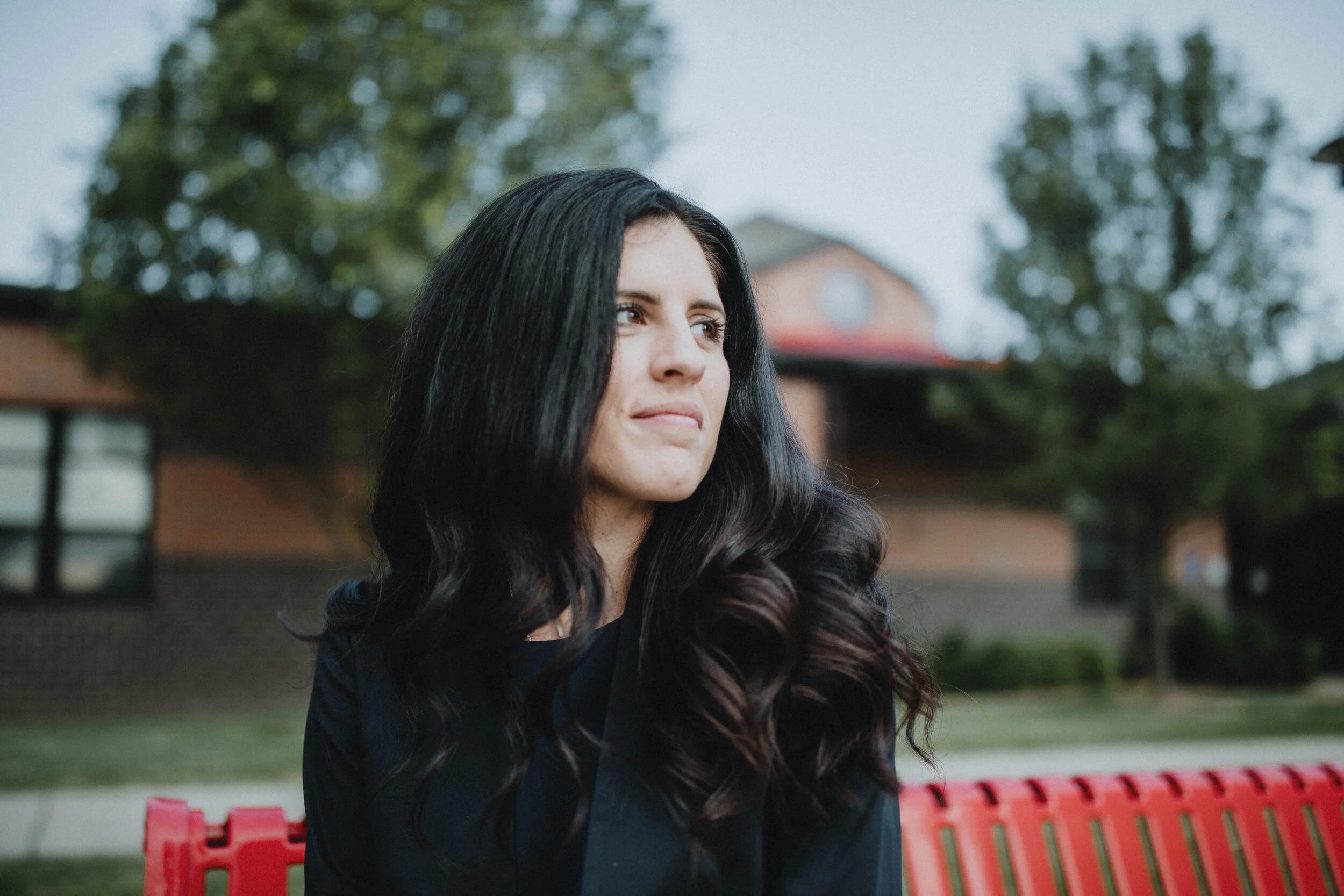
Jaime Churches was a little shaken up when she called me back on Friday morning, but she was also determined not to allow another death threat to scare or distract her down the stretch.
“I don’t usually put my life on hold for these things, because I don’t ever want my work and my commitment to community or the things I’m doing to be impacted or misdirected,” Churches, a Democrat running to return to the Michigan House of Representatives, said. “I think sometimes the goal is to distract me, and I want to keep that from happening.”
Churches spent the weekend attending parades and meeting voters, a defiantly public schedule around her suburban Detroit district. It’s hard to get used to people threatening to shoot you, but Churches has been co-existing with threats since Republicans published her personal cell phone number this summer. And in a way, she’s used to that, too: Churches was one of several Democrats that the state GOP doxxed back in 2022, when she first ran for office when she was 34 years old.
“They say, ‘Oh, it’s so sad you get death threats,’ but I’m getting death threats because since August they’ve been sending negative mailers of me in a communist uniform,” she said, more exasperated and annoyed than fearful or angry. “It seems like I’m joking, but there’s a faction of people that are triggered by this and believe this.”
I only know about the threats because Churches apologized for calling me back a few minutes after we were scheduled to talk, explaining the fractional tardiness (she was on the phone with police) and insisting that she was still game to chat. This campaign, she said, has been driven by a desire to be more open and vulnerable, to “lead with humanity” and connect with voters in a way that politics often doesn’t allow.
If nothing else, the attacks she’s endured are a clear indication that Republicans are more than a bit concerned about Churches’ prospects of winning back House District 27, which she represented for two years after winning that initial election by 660 votes. Though she outperformed both Kamala Harris and Elise Slotkin in 2024, Michigan lurched far enough to the right that Churches lost her bid for a second term.
This year’s race is considered one of the Democrats’ best flip opportunities in a closely divided legislature. A net gain of four seats would flip the chamber and likely give Democrats a trifecta, and that doesn’t happen if Churches doesn’t win next month. Her team has sent over 18,000 handwritten postcards, and any voter who hasn’t been contacted by the campaign has likely run into Churches somewhere in the community over the past few years.
Unfinished Business
An elementary school teacher and union leader, Churches has a lot of unfinished business from her one term in office. Democrats used that two-year period to catch up on basics like civil rights, voting rights, abortion rights and the myriad other rights that Republicans throttled during their dozen years in charge. The list of accomplishments also included a repeal of former Gov. Rick Snyder’s anti-union “right to work” law; it was Churches’ vocal advocacy for the repeal that first put us in touch, when I was producing a story on the history-making effort.
It was a solid opening round of legislation, but nearly two dozen Democratic priority bills got left in the queue due to caucus disarray and infighting, including several that Churches herself backed. At the top of that pile was a pair of bills that would have required health insurers to cover infertility treatments, including IVF. It was personal for Churches, who documented her own rounds of IVF on social media. The House’s lame duck session went down to the wire, and the experience of not getting it passed was as formative and motivating than any of the successes she experienced.
“On my last night in office, a lobbyist told me that they were going to keep it from the floor and they didn’t want to see it pass,” Churches recalled. “And to know the amount of influence that corporations have on the policy that passes — no one can convince me that Lansing isn’t run by corporations, and that we have to fight to get things done for the community.”
Taking on that corporate power is at the center of her agenda this time around. She’ll revive the IVF bill and fight to eliminating co-pays on essential medications — Churches carries an epipen in case of bee stings and has seen the prices skyrocket for a lifesaving necessity — as well as tools like inhalers and hearing aids.
Another one of the Democratic bills that didn’t get passed in 2024 was an environmental proposal that would have required industrial polluters to pay the cost of cleaning up their messes. In a state known for the Flint water crisis and manufacturing, it’s a long overdue necessity, and one that also hits close to home: Churches lives a few blocks from a plant run by the chemical conglomerate BASF that dumps up to 60 gallons of toxic, contaminated groundwater per minute into the nearby Detroit River. It’s their moral and legal obligation to clean up their mess, Churches argues.
“Not only do they have the means to not [pollute], but they employ some of the most intelligent humans that work for them,” she said. “They have the skill set to also address these things, and they’re not, because we’re not making them. And I want to do that”
Years of digging through documents and asking pointed questions on behalf of her neighbors led to the discovery that Wyandotte, the town where Churches lives, had secretly stopped fluoridating its water supply, compounding the problem. Utility companies have become an arch-villain of sorts in Michigan, leading to a ballot initiative this fall that would severely limit how much both companies and their executives can donate to political campaigns.
The initiative looks likely to succeed, a positive development that Churches sees as just the start of the necessary reforms. Bigger refunds for customers during power outages, a more democratic process for choosing the Michigan Public Service Commission, fewer rate hikes permitted by regulators — they’re all on the table as constituents struggle with their energy bills.
This year, she’s found voters far more open to listening to ideas instead of resorting to partisan politics, a significant change from the presidential election cycle and an indication that the nasty attacks against her won’t stick on Election Day.
“If I’m going to get death threats because I’m a fifth-grade teacher who wants people to have insurance and power and electricity that doesn’t go out, villainize me,” Churches said. “Go ahead. Tell people I’m horrible. But that’s all that they have. They’re saying I help Muslim people. I do. They can attack me all they want, but I feel like eventually people are going to see, because I’m going to allow them to see who I really am this time.”
Wait, Before You Leave!
Progress Report has raised over $7 million dollars for progressive candidates and causes, breaks national stories about corrupt politicians, and delivers incisive analysis, and goes deep into the grassroots.
None of the money we’ve raised for candidates and causes goes to producing this newsletter or all of the related projects we put out. In fact, it costs me money to do this. So, I need your help.
You can make a one-time donation to Progress Report’s GoFundMe campaign!
Thanks great candidate and great article